

Lesbains
Owning my queerness.

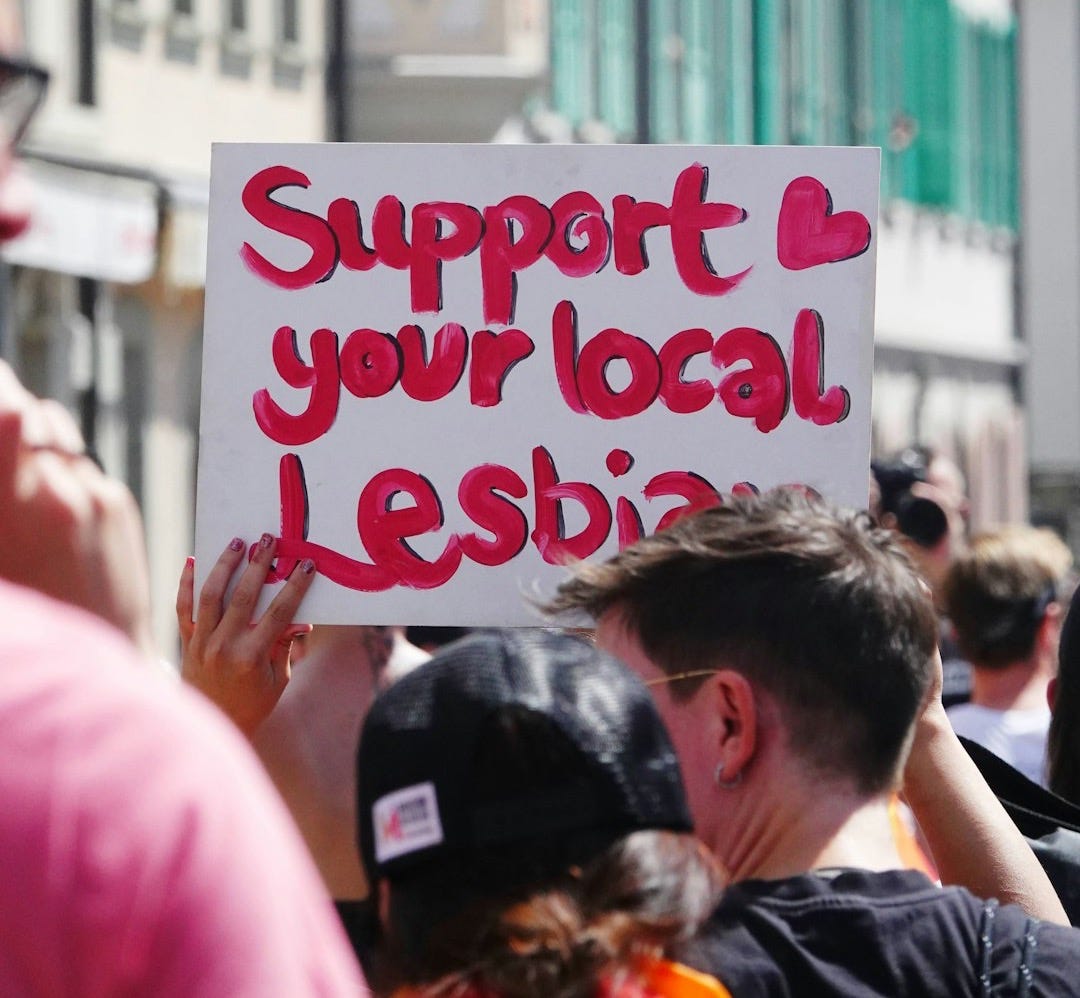
Nicole is a lesbain.
It’s a warm spring day at the end of the school year and I’m in 7th grade English class, working on an assignment when I see someone has written this in the margins of my paper.
I freeze and panic. My heart races. I look across my desk at my classmate, Austin, (not his real name) and he won’t look me in the eye.
“Austin, did you write this?”
He shrugs his shoulders and makes some non-committal sounds. I unfreeze and I am angry, even though I’m not 100% sure what being a lesbian entails.
I do know it’s not a good thing. I’m thirteen and all I want is to be cool and fit in. I do not want to be called a lesbian, or associated with lesbians (whatever it is they do).
It was the 90s in my rural town, and if something was stupid or uncool, it was gay. Queer was also used perjoratively. I know this was not unique to my school or my experience.
There were less than 70 of us in my grade, but odds are I had at least a few LGBTQ classmates who hid themselves deep in the closet.
It did not occur to me that I might actually be a lesbian. That was not an option.
“You dumbass. What the hell is a LESBAIN?”
The two other students in our group snicker. Austin turns red, smiles sheepishly, and looks down at his paper. He doesn’t apologize. We go back to our work, but my anger and shame simmer.
Austin is usually kind. We’re not good friends, but we get along. I have no idea what possessed him to call me a lesbain. I will never find out.
This moment is a core memory. I remember what I was wearing, a sundress that was denim on top with a flowered skirt, and my favorite sandals. Very 90s.
The window was open in our classroom and there was a slight breeze. Our English teacher was at her desk grading papers. It was an ordinary day.
There was one gay couple in our town, but I was not aware of any lesbians.
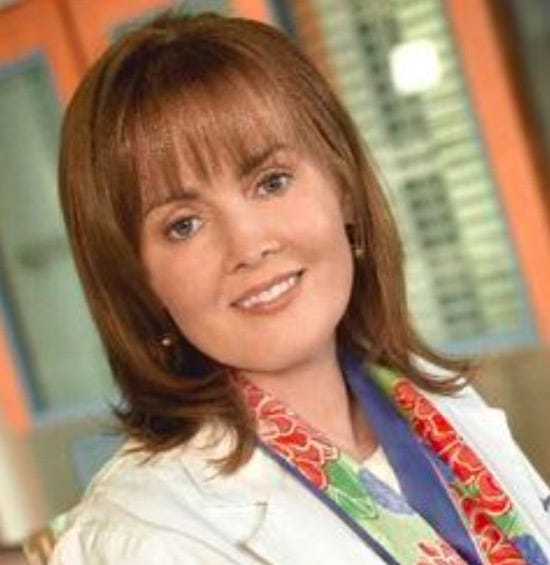
KD Lang rose in popularity in the early 90s with “Constant Craving.” The Indigo Girls released Rites of Passage, and Lilith Fair debuted in the late 90s.
Ellen came out on national television in the late 90s, and Dr. Carrie Weaver portrayed a lesbian living life on her own terms in ER.
In the words of Bob Dylan, “the times they are a changing.”
I left home at 16 for college prep boarding school and in American History, I learned about second wave feminism and read Betty Friedan, Gloria Steinem, Simone de Beauvoir, and many others.
I read about the lavender menace and empathized, even though being a lesbian still did not seem like a viable option.

When I was 18 I went to college in Erie, PA, where I was an English major with a Women’s Studies minor.
My campus had a thriving LGBTQ alliance, as well as a feminist organization in which I served as an officer.
At the time, Erie, Rust Belt city, had a tight-knit and thriving LGBTQ community that supported two gay bars.
I found my people.
The LGBTQ community in Erie was phenomenal, and I remain grateful for the time I spent there in the early 2000s. I was welcomed, accepted, and loved.
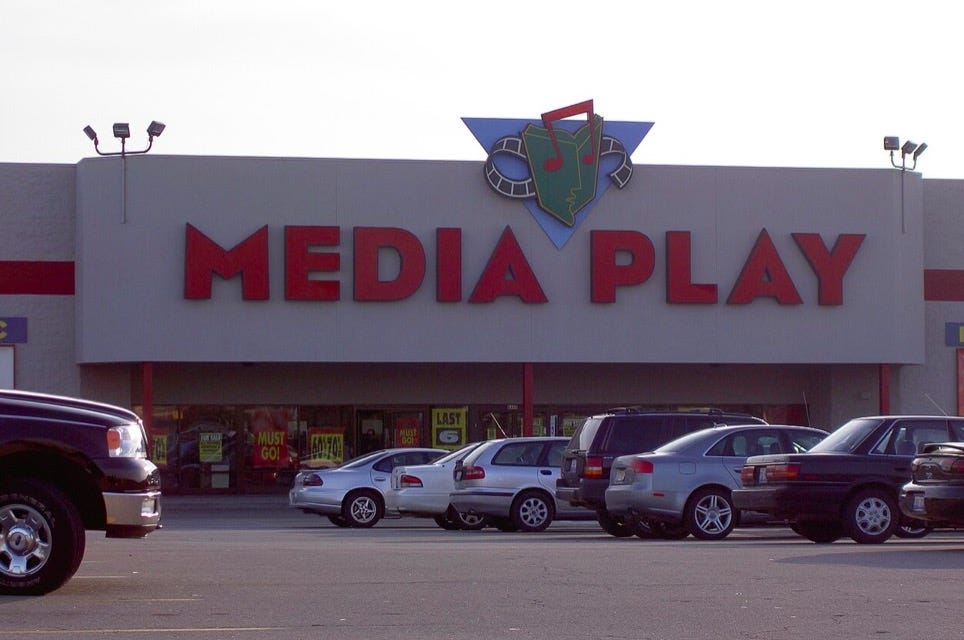

The summer after my senior year of college I worked at the now defunct Media Play (RIP!) One of my Media Play colleagues owned The Village and offered me a job as a barback.
I think she knew I could use both the community and the extra cash. I worked at Media Play during the day and The Village at night.
I felt like I was in the gay version of Cheers.
I left Pennsylvania for the University of Minnesota MFA program and Minneapolis in 2003, when I was 22.
Prior to living in Minneapolis, I had never lived in a big city.
It was a huge adjustment, and I wasn’t sure Minnesota was for me, but gradually I learned to love it here, in large part because of its progressive politics and LGBTQ community.
Gay marriage was legalized in Minnesota in 2013.
At the height of the first wave of COVID in 2020, my first marriage ended.
Dating and coming out (again) in mid-life during the pandemic is a whole separate post, but I am so fortunate to have been surrounded by friends and a church community that was immediately welcoming, accepting, and loving.
I found my people.
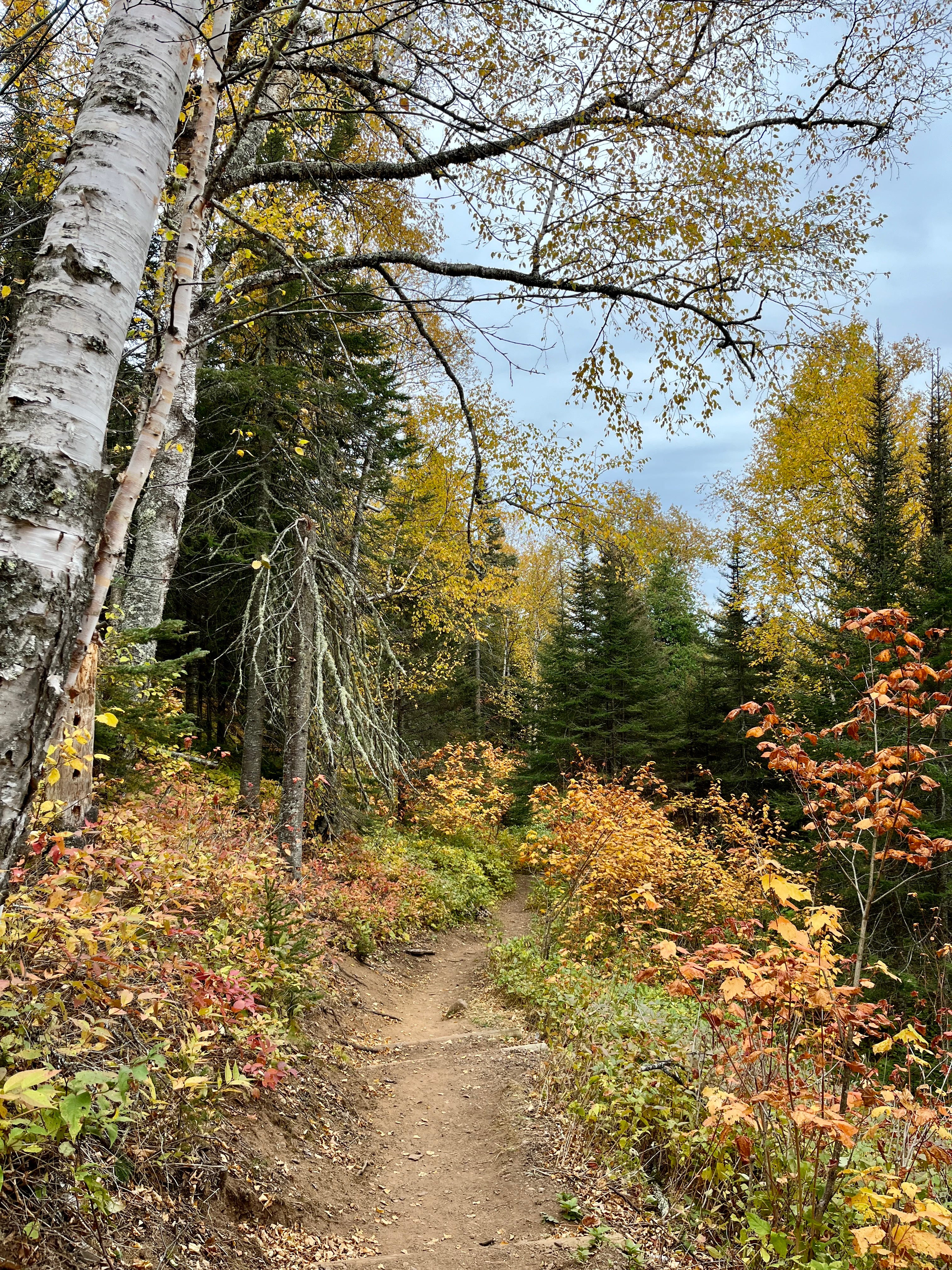
I married my wife in 2024, on a beautiful autumn day at Cascade River State Park on Minnesota’s North Shore.
We were married by the pastor of our ELCA church, with both our closest chosen and biological family in attendance.
The lesbain incident was a lifetime ago.
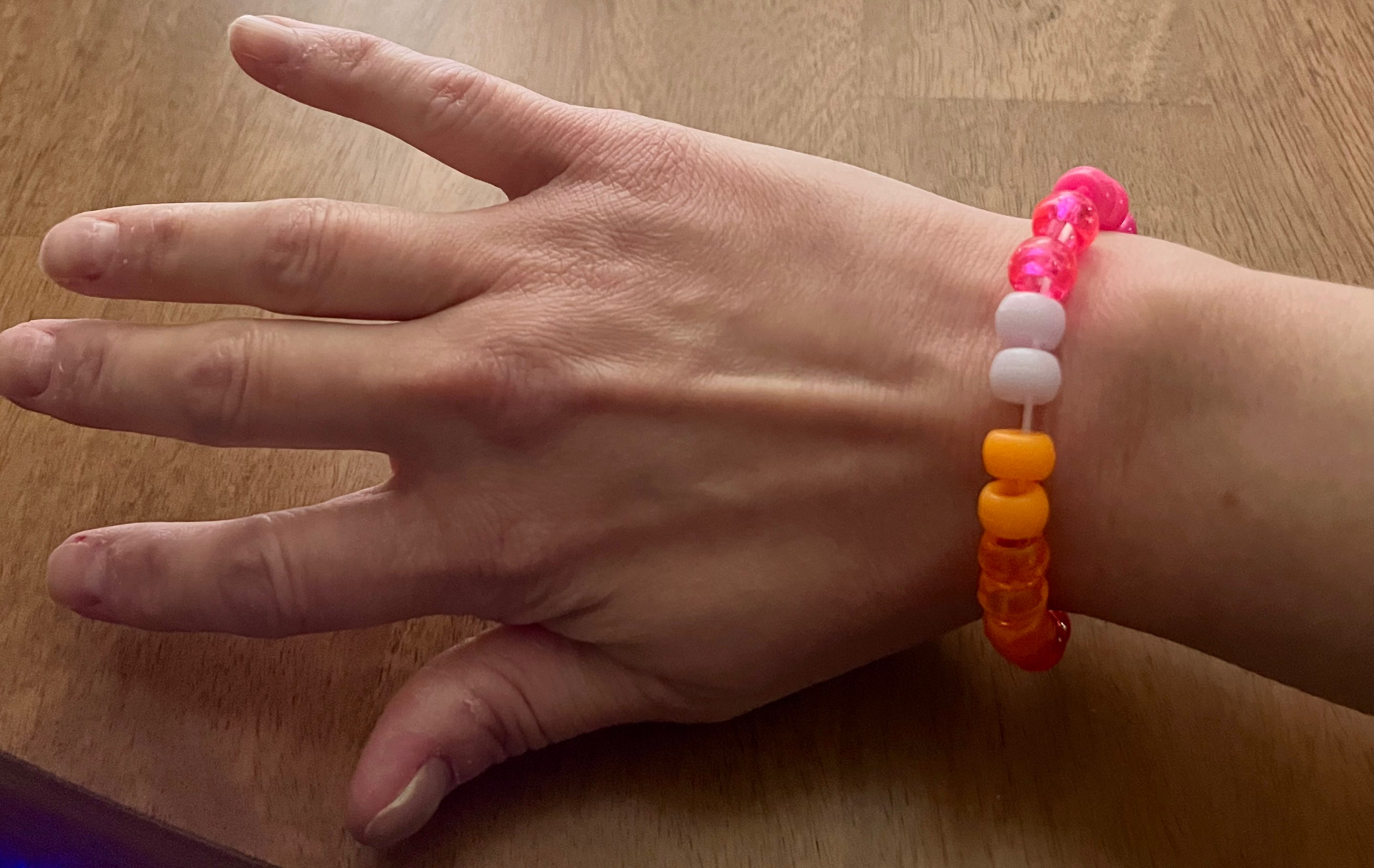
Much like the word queer has been reclaimed, my wife and I have reclaimed lesbain. Sometimes we jokingly call each other lesbains.
My 13-year-old lesbain self in my small town in western Pennsylvania could never have imagined that her life would look like it does now.
New to No Time for Small Talk? Start here!

No Time for Small Talk explores grief, mortality, midlife transitions, spirituality, and life’s ordinary moments with a touch of dark humor and cautious optimism.